Blending Old and New: Kitchen Solutions by Kenton Jones
Bringing together period features and modern kitchen requirements is more than a design choice, it’s a way to protect the character of a home while making it work better for everyday life. In homes across Cheshire, it’s common to see kitchens that carry echoes of the past, with original beams, flagstone floors, or traditional sash windows. While these details make a space feel rich with history, they can be tricky to adapt to current needs without losing their charm.
Blending both worlds means choosing what to preserve and what to update. It’s about creating something that feels natural, not a pastiche, and not overly sleek either. A thoughtful design will bring in appliances, lighting, and layout choices that feel comfortable alongside older materials and features. This approach works especially well in period homes in Cheshire, where authenticity matters and function is just as important.
Combining Period Features With Modern Functionality
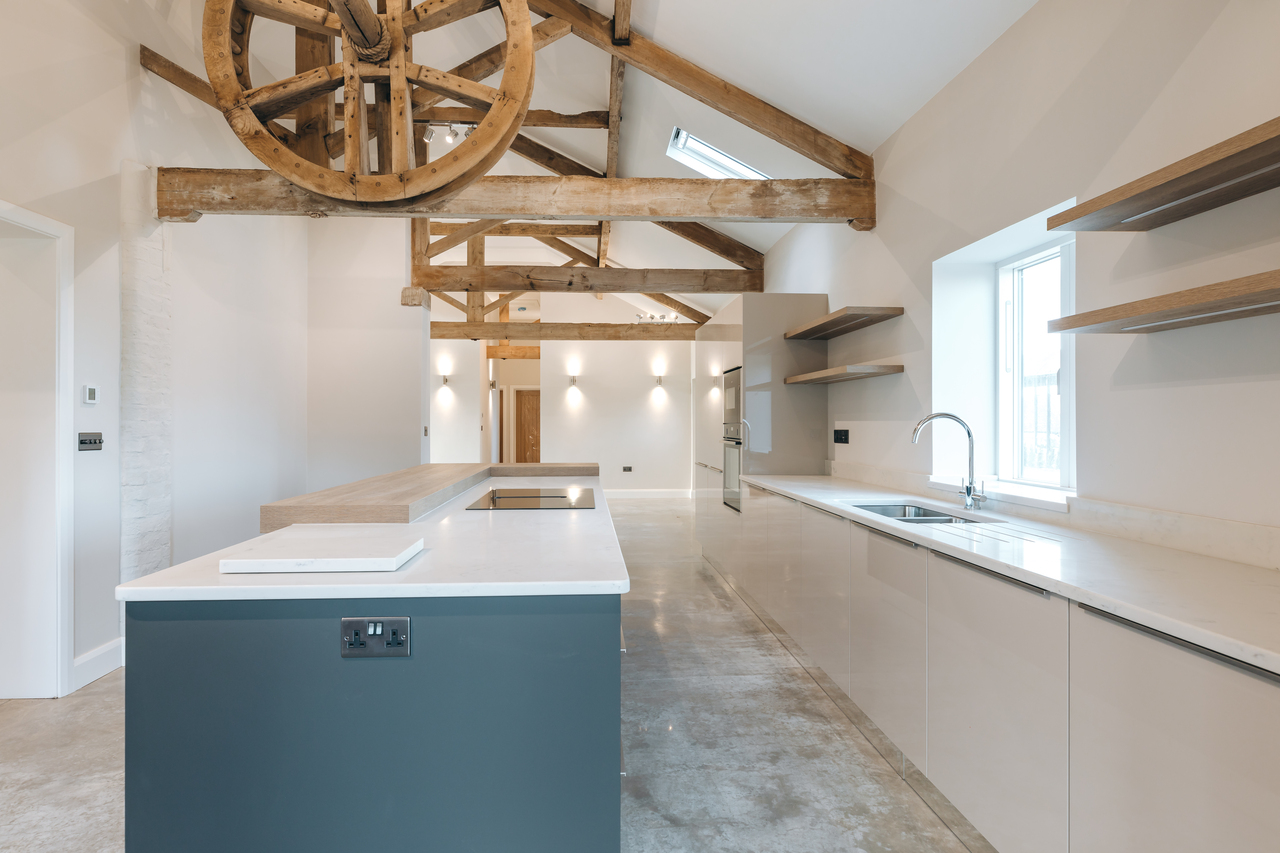
Many homeowners feel drawn to the warmth and familiarity of traditional design. Exposed beams, aged timber, and quarry tiles underfoot all carry a timeless appeal. But living with a kitchen that’s purely historical can be difficult if storage is limited or if there’s no proper space for appliances. The goal is to let those older bones shine while improving how the space works day to day.
A few ways to approach this:
– Keep original details intact, like a stone fireplace or intricate cornicing, but pair them with understated cabinetry that doesn’t compete for attention.
– If the home has uneven walls or odd angles, custom cabinetry built to fit makes better use of the space without forcing any major changes to its structure.
– Use neutral paint colours and natural materials to highlight original textures rather than cover them up.
Hidden storage is another helpful solution. Pull-out internal drawers inside a traditional-looking larder allow modern conveniences to stay tucked away without changing the overall look. The same goes for bin storage, integrated dishwashers, and extractor fans concealed in mantel-style overheads.
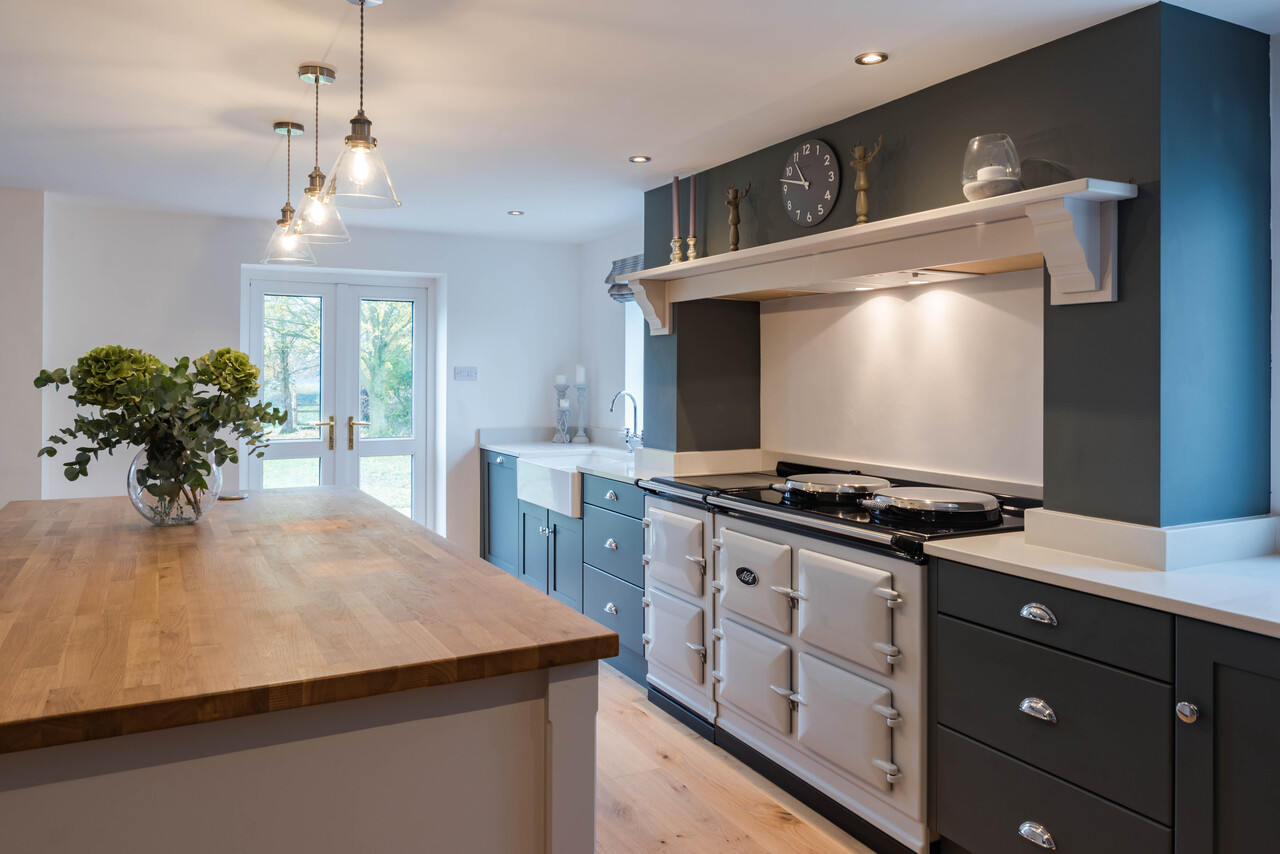
One recent example was a farmhouse in Cheshire where the clients had a timber-framed kitchen with low ceilings and thick stone walls. Integrating a modern oven and hob would’ve visually clashed with the rest of the space. The solution was to house them in a stone chimney surround that respected the room’s age while allowing a practical cooking setup.
What matters most in these kinds of kitchens is flow. It should be easy to cook, clean, and move through the space. The newer parts should feel like they’ve always been there, even if the technology is completely up to date.
Modern Technology In A Traditional Setting
Introducing technology into an older home doesn’t mean compromising its look. When done with care, these updates improve how the kitchen functions while remaining nearly invisible. That’s especially true in bespoke kitchens where systems and features can be planned from the start.
Here are a few ways to layer in modern features without losing a home’s character:
– Concealed lighting: LED strips under cabinets or inside drawers are low profile and lend softness to darker spaces without drawing attention away from period features.
– Touchless taps: These feel right at home in classic kitchens when matched with traditional shapes and finishes. Some sensor taps are available in aged brass or brushed nickel.
– Underfloor heating: Perfect for older floors that aren’t suited to radiators. It keeps the space warm without visible equipment or cluttered wall space.
Modern cooking technology can be introduced in similar ways. Induction ranges, for example, have a clean look that doesn’t disrupt the lines of a shaker-style kitchen. With induction, the hob surface remains smooth and minimal, which works well when cabinetry has detailed woodwork or heritage paint colours.
Smart storage features like soft-close drawer runners and tiered cutlery systems also help keep day-to-day use feeling smooth. Instead of relying on external hooks or freestanding bins, everything has a dedicated spot. This quiet function improves overall use without taking away from the kitchen’s classic feel.
Choosing the right finish is important, too. Even a new fridge or oven can feel appropriate if matched with the right cabinetry panels or coloured to tone with other materials. It’s never about hiding modern items completely. It’s about blending, balancing, and respecting the space they go into.
Craftsmanship and Customisation
When updating period homes, off-the-shelf cabinetry often falls short. Overhead beams, uneven floors, or alcoves with quirky angles don’t tend to accommodate standard units. That’s where bespoke craftsmanship steps in. It allows each cabinet, drawer, and joinery element to be built around the room, not the other way around.
Tailored cabinetry doesn’t just support the overall layout. It helps maintain a sense of permanence. Mouldings can echo the shapes of historic door frames. Finishes can be matched to existing wood tones. Soft-close hinges can be hidden in traditional frame-and-panel doors. When every part is made to fit, the space feels settled.
Another advantage is material choice. A handcrafted piece can draw from a wide palette—like painted finishes on ash, oiled oak, or even hand-aged brass. These materials wear beautifully over time and add authenticity to newer elements. Hardware can be specified to suit both function and form, from fingerpull drawers to classic cup handles.
Personalisation also affects how you use the space, not just how it looks. Homeowners often add deeper drawers for pans or adjustable shelves for baking essentials. These smaller changes often make the greatest difference in how a kitchen feels from day to day.
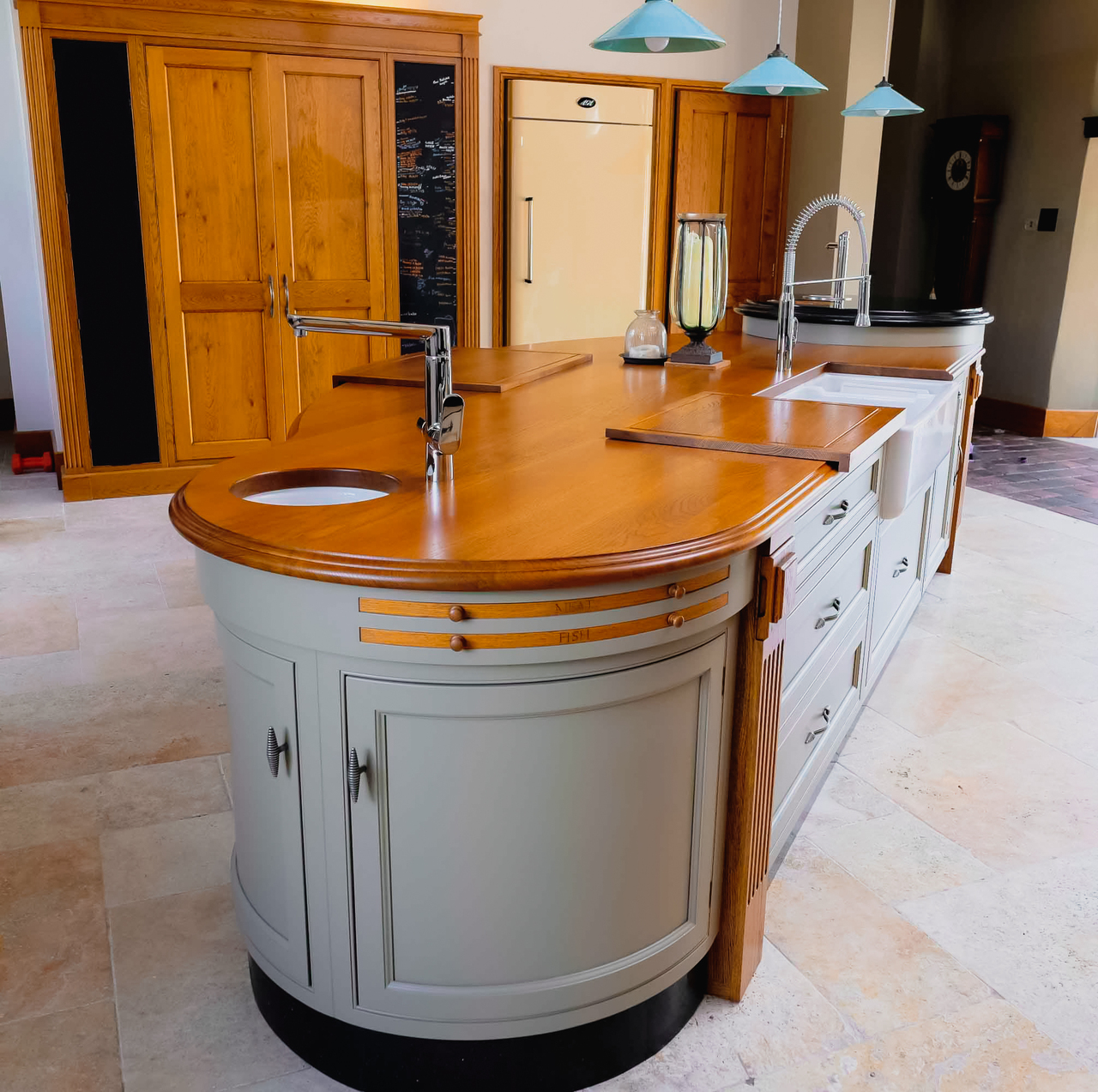
In one Shropshire renovation, the client had a curved brick alcove that once held a cast-iron range. Instead of plastering it over, they chose to build a bespoke curved dresser that echoed the shape of the niche. The result blended storage with heritage without walking away from either.
Design Inspiration and Practical Tips
Creating a balanced kitchen that honors both past and present doesn’t need to be complicated. It’s usually about getting the basics right—layout, light, materials—and choosing details that show restraint. There are plenty of beautiful ways to introduce modern function while keeping the identity of the home intact.
Here are a few tips that work well in older properties:
– Start with a clear layout that respects the original bones of the room. Work with existing doorways, windows, and rooflines.
– Use natural tones and textures that feel grounded, like stone flooring, limewashed walls, or unlacquered brass.
– Integrate as much storage as possible in a way that doesn’t dominate. Larder cupboards, concealed utility areas, or under-bench drawers are useful solutions.
– Don’t shy away from colour, but avoid finishes that feel too sharp or synthetic. Heritage paint tones work well in both bright and low-light rooms.
– Consider furniture-style cabinets with decorative feet or framed insets to align with the period character of the space.
Lighting and accessories matter too. Use pendants or wall sconces in finishes that suit the age of the building. If the kitchen gets low natural light, try antique-style mirrors or glazed cabinets to help reflect what daylight does come in. Tiled splashbacks in classic shapes like metro or square can pair nicely with both modern appliances and traditional detailing.
Keeping things cohesive is what brings it together. A kitchen that includes both 21st-century cooking tech and 19th-century proportions works best when you can’t easily pinpoint where one ends and the other begins.
A Kitchen That Respects the Past and Serves the Present
Translating a home’s past into a kitchen that works for life today takes care and thought. It isn’t about pretending the kitchen has always looked this way, but making sure every choice feels like it belongs. The right mix of design and detail builds something that sits seamlessly between old and new—practical for modern use but with foundations that feel rich with history.
By blending modern technology with crafted features and period character, homeowners can create kitchens that aren’t chasing trends. They feel calm, intentional, and designed to last. Whether it’s handcrafted joinery, subtle lighting design, or using natural materials that age well, each element plays a part in making the kitchen feel personal and enduring.
What matters most is that it works for the people who live there. Timeless kitchens don’t need to shout, but they should always feel like home.
Transforming your kitchen by blending period features with modern needs can create a truly unique space. If you’re inspired by how bespoke kitchens in Cheshire combine heritage elements with precision-crafted functionality, Kenton Jones offers thoughtful solutions tailored to your home.