The Impact of Natural Light in Kitchen Design
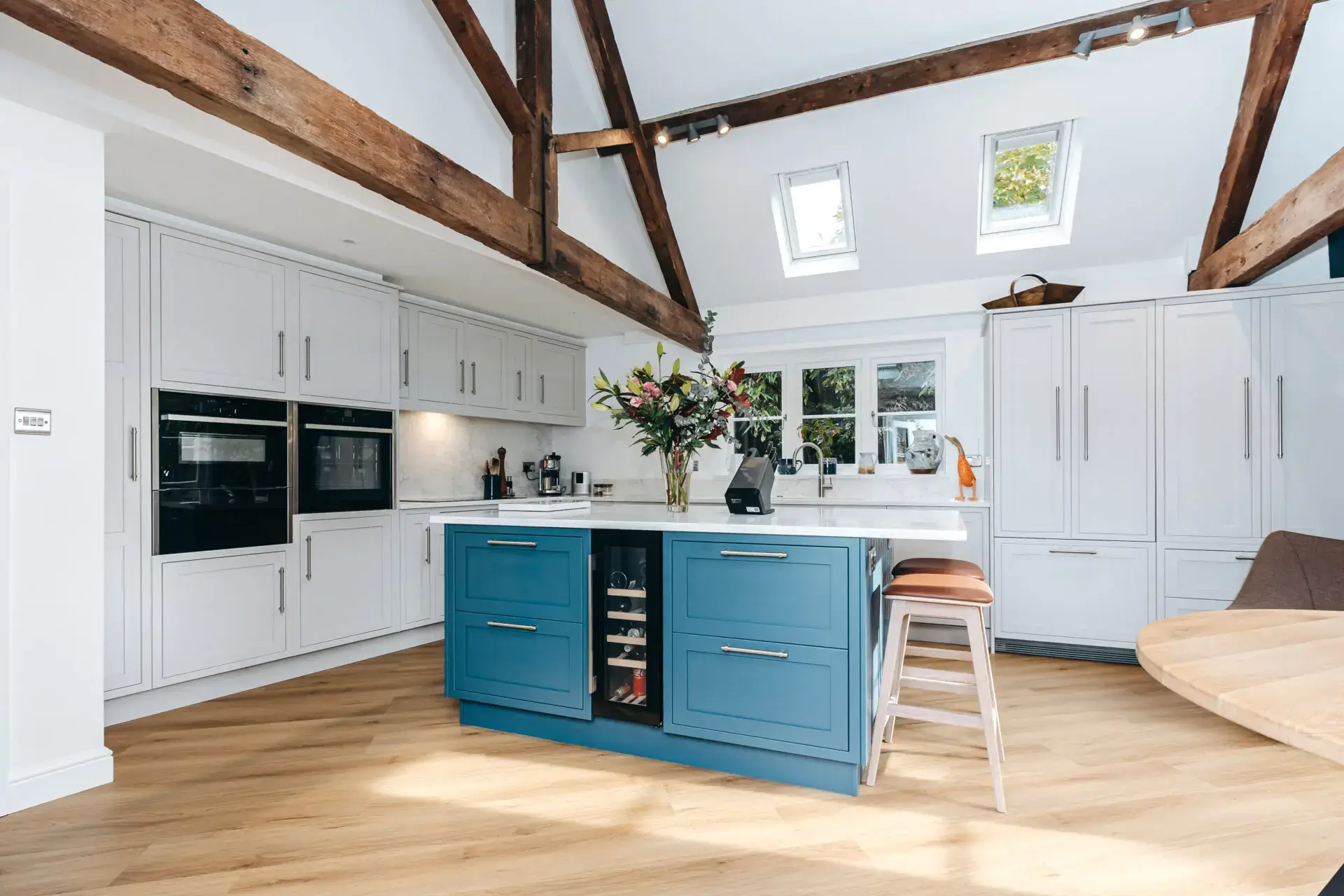
Natural light can completely shift the way a kitchen feels. It makes a space warmer, brighter, and more open, no matter the size. Kitchens that bring in natural light often feel calmer and more comfortable, helping you settle into daily routines with ease. Whether you’re pouring the morning tea or chopping ingredients for dinner, the right amount of daylight grounds your workspace and lifts the mood without trying too hard.
In Cheshire homes, where architecture can range from countryside cottages to sleek, modern builds, natural light plays a slightly different role depending on the setting. In older homes, it might be about finding ways to draw more of it in. In newer ones, it could involve shaping the kitchen so the light has room to breathe. Either way, designing with light in mind is one of those choices that tends to pay off quietly over time, with surfaces gently glowing and shadows falling in all the right places.
Benefits Of Natural Light In The Kitchen
Natural light does more than just make a kitchen look nice. It helps shape the way the room feels and works.
Here’s why it’s worth thinking about during your design process:
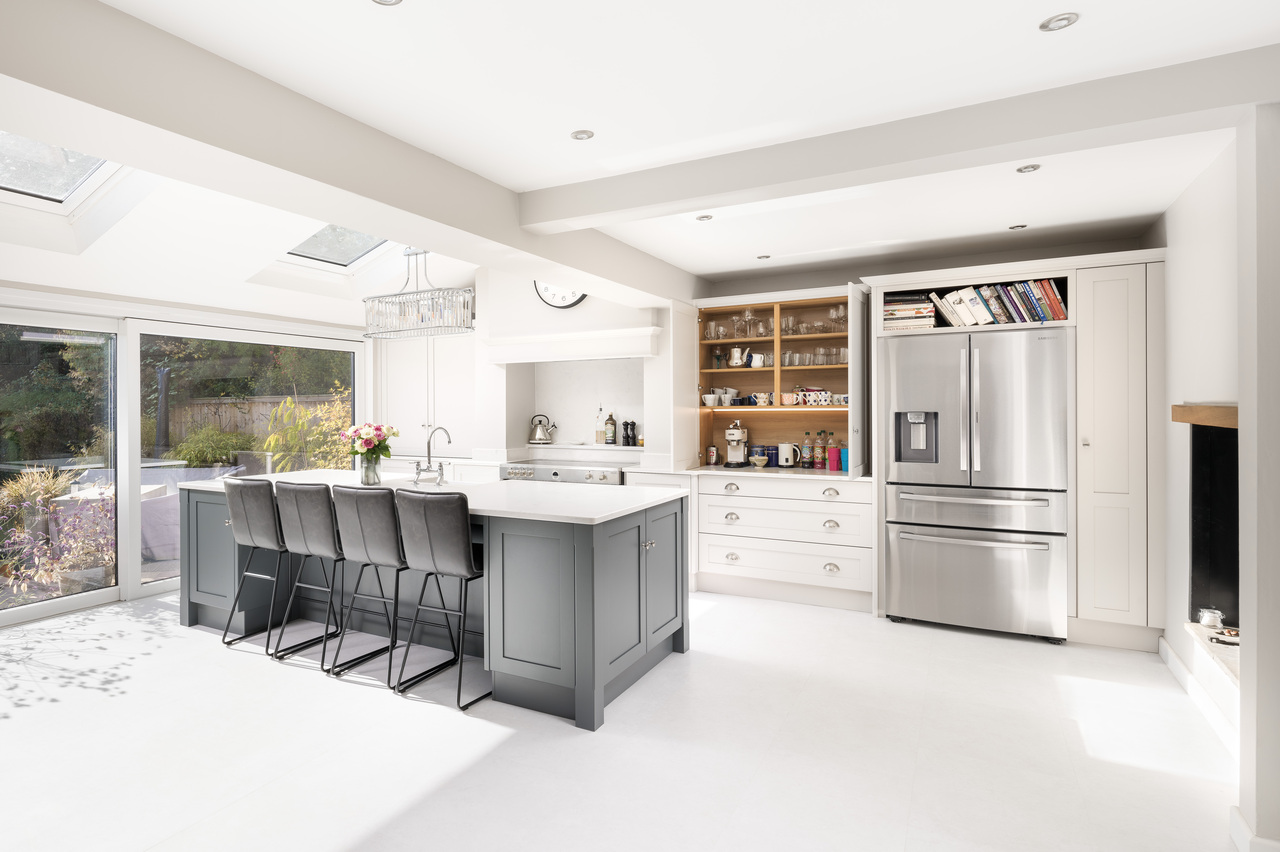
– Makes the space feel bigger: Even small kitchens feel larger and airier when lit by natural light. Corners soften, shadows break up, and the flow improves.
– Boosts mood and energy: A well-lit kitchen naturally feels cheerful and inviting. That kind of atmosphere usually helps you enjoy being in the space longer and can even sharpen your focus when cooking.
– Less need for artificial light during the day: When daylight does the heavy lifting, you tend not to switch on all the overheads. That makes the kitchen feel calmer and can cut down on the use of unnecessary lighting.
– Brings out true colours and materials: Finishes like natural wood, stone counters, or painted cabinet fronts change beautifully depending on the time of day and the direction of light. Daylight shows off those small variations best.
– Improves day-to-day experience: From prep work to tidy-ups, having strong, clear light makes day-to-day tasks easier and more comfortable.
Across bespoke kitchens in Cheshire, natural light tends to work best when it’s balanced. Streaming in from the right angle, bouncing gently across surfaces, and finding its way to the parts of the kitchen you use most. It shouldn’t feel harsh or too direct. You want to feel the change from morning to evening without it becoming disruptive.
Designing To Maximize Natural Light
Good kitchen lighting doesn’t have to rely on overhead fixtures or under-cabinet strips. If you’re in the early stages of planning, there are a few upgrades that can open up your options for using daylight efficiently.
Think about these design strategies:
- Fit larger windows or widen existing ones, especially near key work areas like prep surfaces or sinks.
- Add rooflights or skylights to bring in natural light from above. This is ideal for spaces where window placements are limited.
- Use glass doors in key transitions, like between the kitchen and garden, to invite sunlight through from more directions.
- Choose reflective or lightly textured finishes for surfaces. Items like glass splashbacks, glazed tiles, or polished stone worktops can help spread the light gently.
- Pick colour palettes that respond well to different lighting changes throughout the day, such as soft whites, pale greys, or muted earthy tones.
In some Cheshire homes, especially period properties with deeper rooms and thicker walls, light can feel limited. In one kitchen design, simply repositioning a window to align better with existing sightlines made the space look completely different. By matching natural light with thoughtful layout changes, even tricky spaces can gain a whole new quality. The aim is to make light feel integrated and to let it guide you through the room in a quiet, comfortable way.
Integrating Natural Light With Key Kitchen Features
Designing around natural light doesn’t mean sacrificing how your kitchen works. It’s a balancing act between where the light falls and how the space serves you day to day. Think about each element – worktops, cabinets, appliances – and how they either catch or block light. A few adjustments in material or layout can make a big difference in how the room feels.
One of the simplest ways to work with natural light is to lean into lighter materials. Pale oak, creamy whites, soft greys—these bounce light across surfaces and avoid absorbing it. If your wall units are painted in a deeper tone, pairing them with a lighter island or splashback creates contrast without blocking out brightness. It’s all about layering tones that stay responsive to changes in daylight instead of fighting against them.
The placement of cabinetry matters too. Where upper cabinets block daylight, consider open shelving or glazed doors. They give the walls a lighter touch and allow sunlight to pass through or around them. Integrated lighting under these shelves or units also helps in the darker hours, supporting natural illumination patterns without overwhelming the scheme.
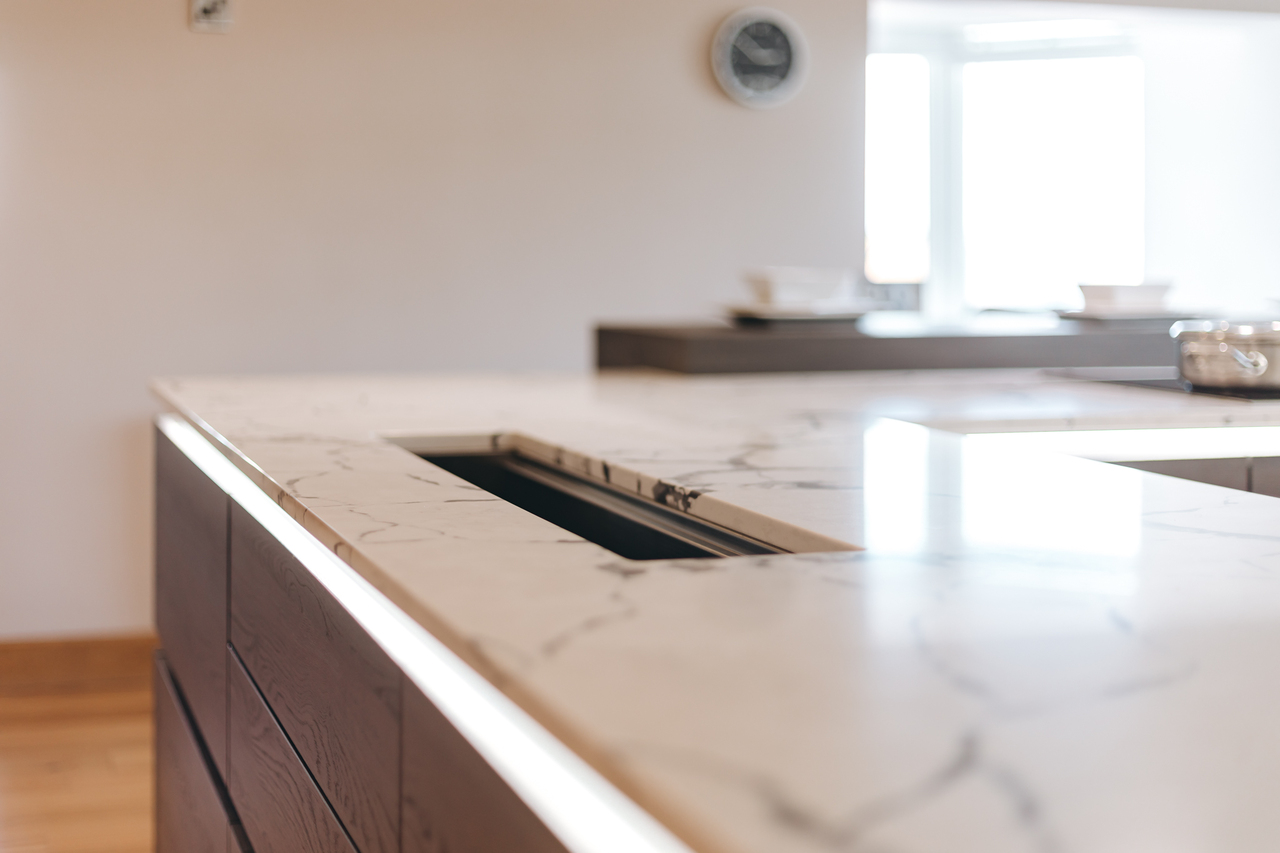
When it comes to countertops, matte finishes absorb less glare than high gloss, making them more comfortable in direct sunlight. Slim-profile stone or composite surfaces keep the look tailored. If your layout includes an island beneath a skylight or near a large window, it’s worth choosing a finish that subtly shifts with the light, revealing its texture across the day.
Here’s a quick look at how to blend light with structure:
– Choose cabinetry in lighter tones, or combine one deep and one soft colour for contrast
– Use open shelving or glass-fronted cabinets on walls that catch sunlight
– Add mirrors or subtle reflective finishes in alcoves or splashback areas
– Thin out upper cabinet sections where they block window access
– Include fingerpull drawers or integrated handles for less visual weight
– Leave space between window edges and tall units to let natural light spread outwards
These small moves help the kitchen feel more connected to the time of day, making your experience more intuitive and enjoyable.
Tailoring Natural Light Solutions For Cheshire Homes
Cheshire’s architecture comes with its own character. From converted barns and period cottages to listed townhouses, you’ll often find thick stone walls, deep window ledges, or room proportions that feel less straightforward. These features don’t always lend themselves to big, light-filled spaces, but they do offer rewarding opportunities to rethink how natural light is used.
In homes where windows are small or placed high, it helps to extend how far that daylight reaches. One practical method is shaping the layout so that lighter or more open furniture pieces sit nearest the daylight source. Tall storage units, dark appliances, or bulkier pieces work better on the shaded side of the room. That way, you let the light move into the space, rather than having it stop at the walls.
Older homes often benefit from structural tweaks rather than large changes. For example, removing a small section of a non-load-bearing wall or widening a door casing, when done thoughtfully, can let light from a distant source spill into the kitchen. Adding interior windows or pass-throughs helps too, especially if your kitchen connects to a hall or dining space with better light access.
A recent Cheshire renovation in a 19th-century farmhouse showed how subtle changes could unlock the light. The kitchen originally sat in a darker rear corner with only one window. Instead of enlarging the opening, the design reframed the layout to reorient dining and prep areas closer to it. Cabinetry on surrounding walls was kept low and light in tone, and matte glass splashbacks extended the reach of the window’s light from morning through late afternoon. Even with the room’s original features in place, the shift in balance made everything feel brighter and more open.
What works well is when the natural light feels like part of the home, not an add-on or something that only works on sunny days. With careful design, even tricky rooms can feel calm and open, simply by treating light as a material in itself.
The Kitchen That Feels Like Home
When you take time to consider natural light during your kitchen project, the results go beyond what you see. They shape how the space feels every time you step inside. Whether you’re working with an airy new-build or a traditional Cheshire home with deeper walls, lighting choices made early in the process tend to have a lasting impact.
Natural light paired with thoughtful design creates a warmth that fixtures alone can’t match. It helps shelves glow, countertops shine, and tiled surfaces flicker gently throughout the day. None of this needs to be dramatic. But when handled well, it shapes a kitchen that feels calm, welcoming, and easy to live in, where the changing season or afternoon sky adds to the room without overpowering it.
Designing with light means thinking not just about finishes and colour, but also about how your kitchen gets used. Where you spend the most time, which corners deserve more attention, how shadows shift from morning to evening. When the layout and materials are chosen with these moments in mind, natural light becomes a steady, trusted part of your everyday space.
To experience the transformative power of natural light in your kitchen, explore our bespoke kitchens in Cheshire. At Kenton Jones, we blend craftsmanship and innovative design to create spaces that truly reflect your lifestyle. Begin your journey to a bright and inviting kitchen by browsing our unique collections and discovering the perfect design that complements your home.